A gap at the top of the cup and a wrinkle at the bottom of the cup look like opposite problems, but they usually come from the same place: the cup shape does not match your breast shape. The volume might be right and the shape still wrong, which is why buying a smaller cup often makes things worse rather than better.
Start by identifying which of the two you have, because the fixes differ.
Gap at the top of the cup
Fabric stands away from your chest along the upper edge, usually worst when you lean forward or sit down.
The cup is too big
This is the obvious cause and it is worth ruling out first, but do not assume it. If the gore sits flat against your sternum, the wire follows your breast root, and the band is firm, the cup is probably the right size and the issue is shape.
You have shallow breasts in a deep cup
Breasts that spread across a wider area with less forward projection need shallow cups. A deep, projected cup assumes fullness at the front, so the top half has nothing to press against and it stands away. Moulded and padded cups are the worst offenders because they hold their own shape.
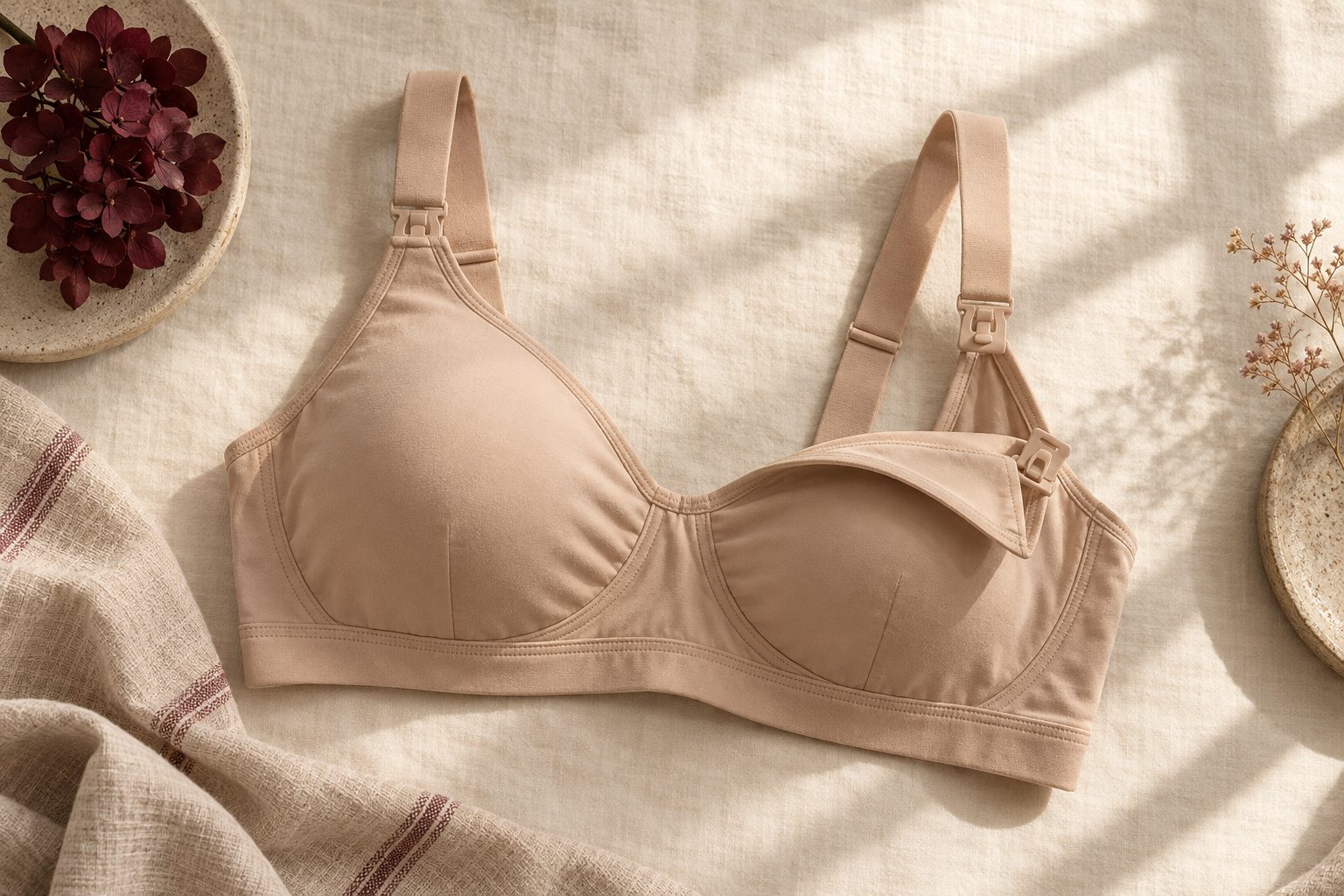
What to look for instead: unlined cups, cups with a horizontal or diagonal seam, demi and balconette shapes, and bralettes with soft fabric. A seam gives the cup flexibility to follow your shape.
You have fullness at the bottom and not at the top
If most of your volume sits low on the breast, the upper cup has empty space by design. A plunge or full-cup shape built for even fullness will gap at the top edge.
What to look for: balconette, demi, and half-cup styles cut lower across the top. A push-up or padded style labelled for bottom fullness can also work, because the padding shifts volume upward.
The band is too loose to hold the cup against you
The cup only sits flush if the band pulls it inward. A loose band lets the whole bra tilt forward, which opens a gap at the top of the cup even when the cup size is correct. Check the band on the loosest hook before you blame the cup. Our article on bands that ride up covers the test.
The straps are too tight
Over-tightened straps pull the top edge of the cup toward your shoulder, and the cup rotates so the upper edge lifts away. Loosen them and see whether the gap closes.
Wrinkles or folds in the cup
The cup is too big
If the fabric folds rather than stands away, you have more cup than breast, usually in the lower half. A cup size down is worth trying. Keep the same band size and see whether the wire still follows your breast root.
The cup is too small in the wrong places
Sometimes a cup is too narrow but too tall, which produces overflow at the side and empty fabric at the top at the same time. This is common with deep plunge styles on wider breast shapes.
The fabric has stretched
Stretch lace and thin microfibre cups lose shape faster than structured cups. If a bra that fitted well a year ago now wrinkles, the fabric has relaxed rather than your body changing. Our guide to making bras last longer covers washing habits that slow this down.
The bra is not sitting in your breast crease
If the wire sits below your breast crease rather than in it, the lower cup has nothing to fill it and it folds. This usually happens because the band is too loose or the straps are too long. After fastening, lean forward, guide your breast tissue into the cup, and stand up. The wire should sit directly under the breast.
Diagnose it in three steps
| Step | What to check | What it tells you |
|---|---|---|
| 1. Band | Fasten on the loosest hook, pull the back band | More than two fingers of slack means the fit problem starts here, not at the cup |
| 2. Gore | Does the centre piece touch your sternum | Floating gore means the cup is too small; flat gore with gapping means the shape is wrong |
| 3. Wire | Does the wire sit in the crease under your breast | Wire sitting low means the cup is not being held in place |
Shape versus size, in plain terms
Size is the volume the cup holds. Shape is how that volume is distributed. Two bras in the same size can fit completely differently because one is cut for forward projection and the other for a wider, flatter spread. If you keep changing sizes and never find a comfortable fit, stop adjusting the size and start trying different cup constructions.
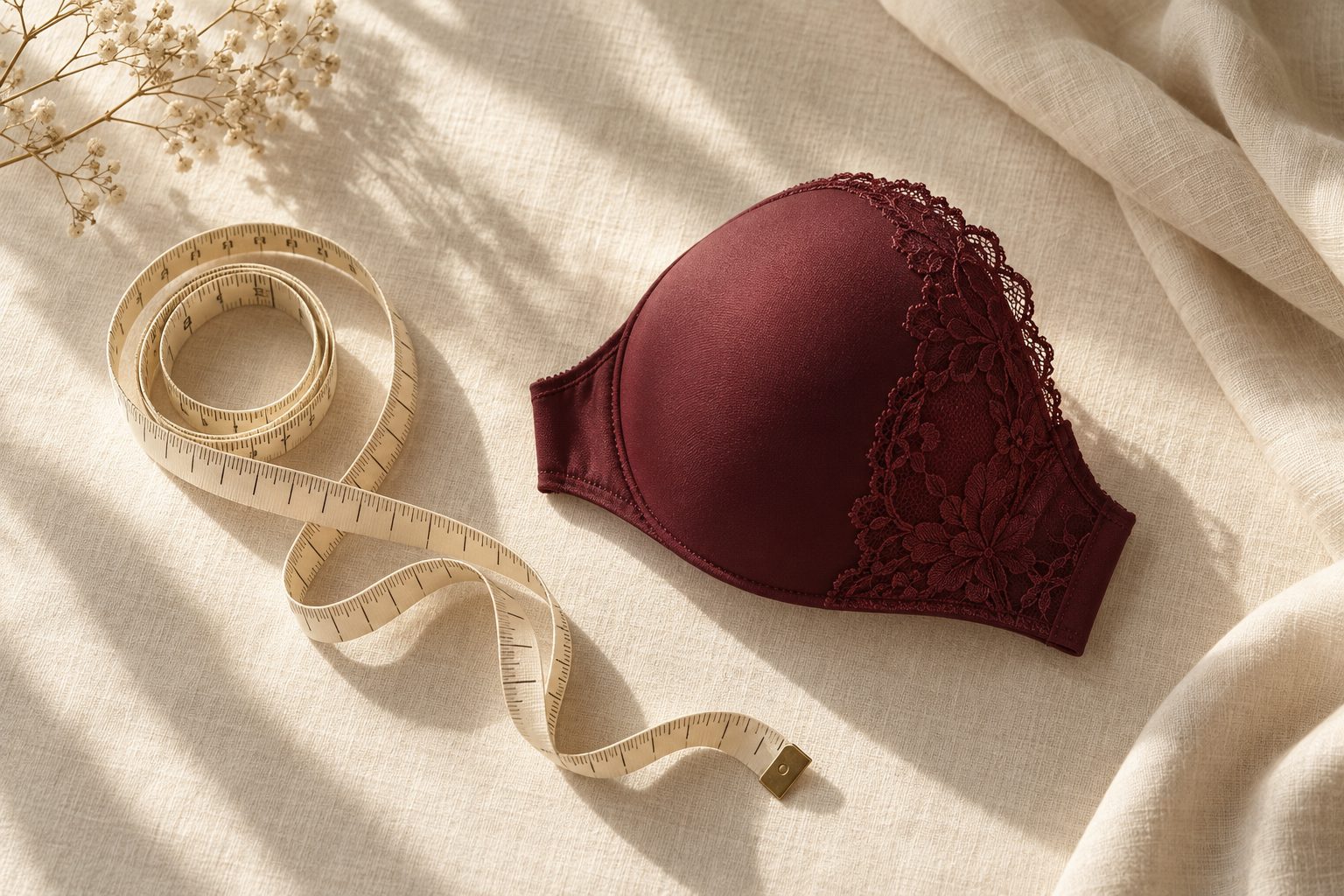
Our guide to bra types explains which constructions suit which shapes, and the bra fitting guide covers how to measure yourself accurately in the first place.
Questions we get asked
Should I size down a cup if there is a gap?
Only if the gore floats or the wire does not sit in your crease. If both of those are correct and you still have a gap, the cup shape is the problem, not the size.
Do moulded cups always gap?
They are more likely to, because they keep their own shape and cannot adapt to yours. Unlined seamed cups follow the body better, especially on shallow or bottom-heavy shapes.
Why does the gap appear only when I sit down?
Sitting compresses the torso and changes the angle of the ribcage, which pulls the band and tips the cup forward. A slightly smaller band or a softer cup often fixes it.
Can a tailor fix a gaping cup?
Taking in the top edge of a cup is possible on some styles but rarely worth the cost, and it changes the cup shape in ways that can create new problems. Trying a different construction is usually cheaper.
The short version
Check the band and the gore first. If both are right, stop changing size and start changing cup shape. Unlined seamed cups, demi and balconette cuts, and softer bralettes solve more gaping and wrinkling than any size adjustment will.